Potato buns: what they are and when to choose them for burgers
What a potato bun is, how it performs in the kitchen and which burgers suit it: dough, toasting, formats, storage and menu pairings.
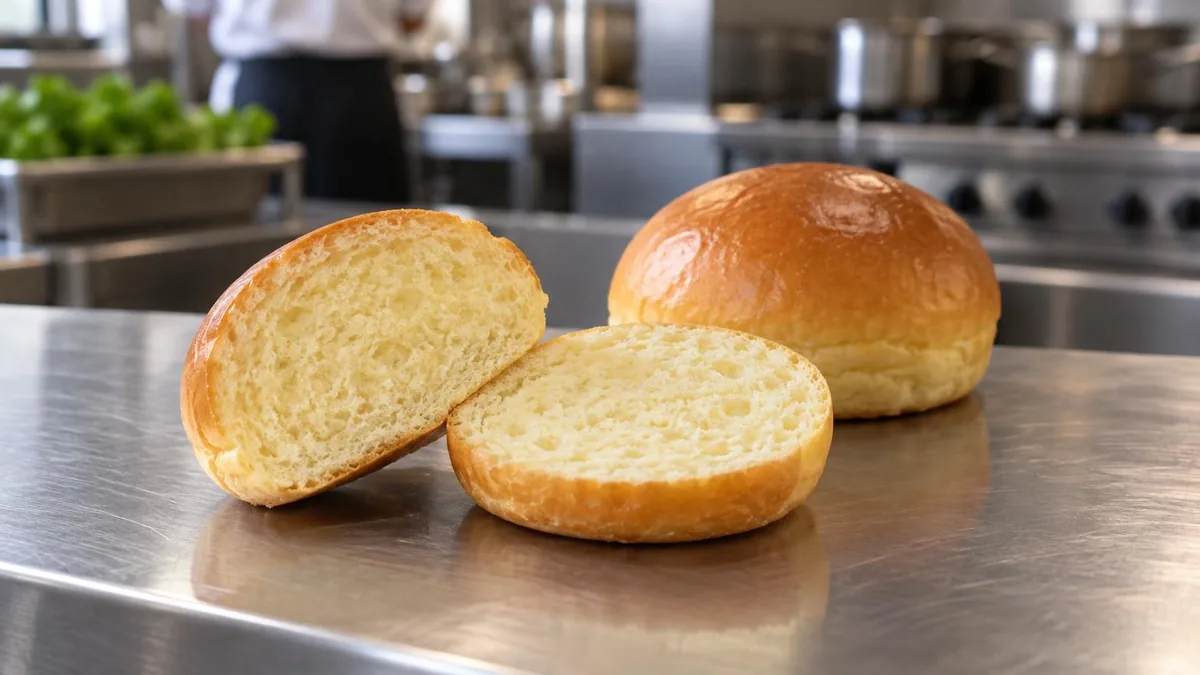
The potato bun is a burger bun made with a proportion of potato in the dough. In recent years it has found its way onto the menus of many burger restaurants alongside the smash burger, but it isn't just a "smash" bun: it's a soft bun with a delicate flavour that suits a range of recipes. This guide looks at how it's made, how it performs between the griddle and service, and when it's worth adding to the menu — without overlooking its limitations.
What a potato bun is
It's a round burger bun in which part of the wheat flour is combined with potato: flakes, flour or mashed potato, depending on the producer. The rest of the dough is that of a soft bun: water or milk, yeast, a proportion of sugars and fats, and salt. The recipe varies from one product to another, and so does the percentage of potato: to know exactly what you're buying, always check the technical data sheet, not the name on the packaging.
Potato brings starch, and starch holds water. The result, generally, is a crumb that is:
- soft and elastic, compressing under the fingers and springing back;
- pale yellow in colour, warmer-toned than that of a classic bun;
- delicate in flavour, with a faint hint of sweetness;
- moist for longer, and therefore less prone to crumbling during service.
The crust is thin, smooth and golden. It comes in a seedless version and a sesame-topped version; the choice is mainly aesthetic and should stay consistent across all menu photos and descriptions.
How it performs in the kitchen
Compressibility
This is the quality that has made it popular. A potato bun compresses under the customer's hand without breaking apart and without pushing the filling out: each bite goes through bun, patty and cheese together. This is why it works well with low, wide burgers, where the bun shouldn't add bulk.
Holding up to juices and sauces
The crumb absorbs a certain amount of juices without falling apart, but it remains a soft bun: with very moist fillings or generous amounts of sauce, it needs some help — toasting the cut side and assembling the burger carefully (a lettuce leaf or cheese between the bun and wet ingredients). If the burger needs to travel, it's worth reviewing the guidance on burger buns for delivery.
Toasting
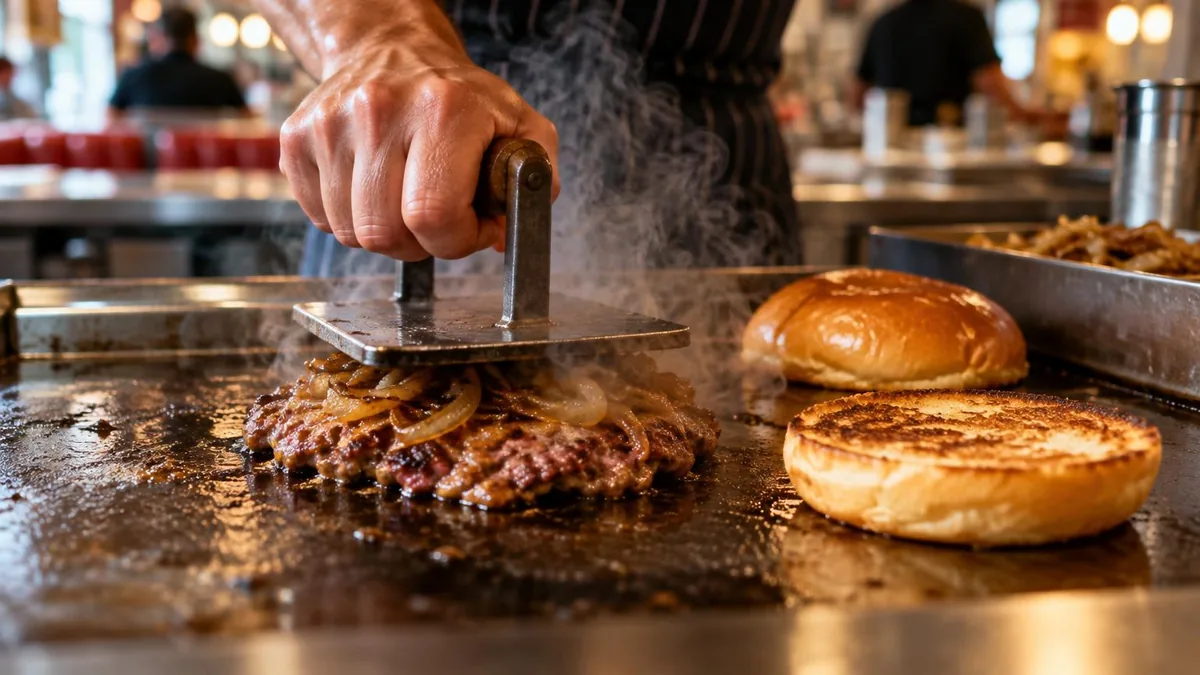
Only the cut side is toasted, on the griddle, with a thin layer of butter or dry. The sugars in the dough cause the surface to colour quickly: a few extra seconds is all it takes to go from golden to burnt. Time and temperature should be calibrated to your own equipment and written into the prep sheet, so that whoever is on the griddle gets the same result every time.
Which burgers it works with
| Recipe | Why the potato bun suits it | What to watch out for |
|---|---|---|
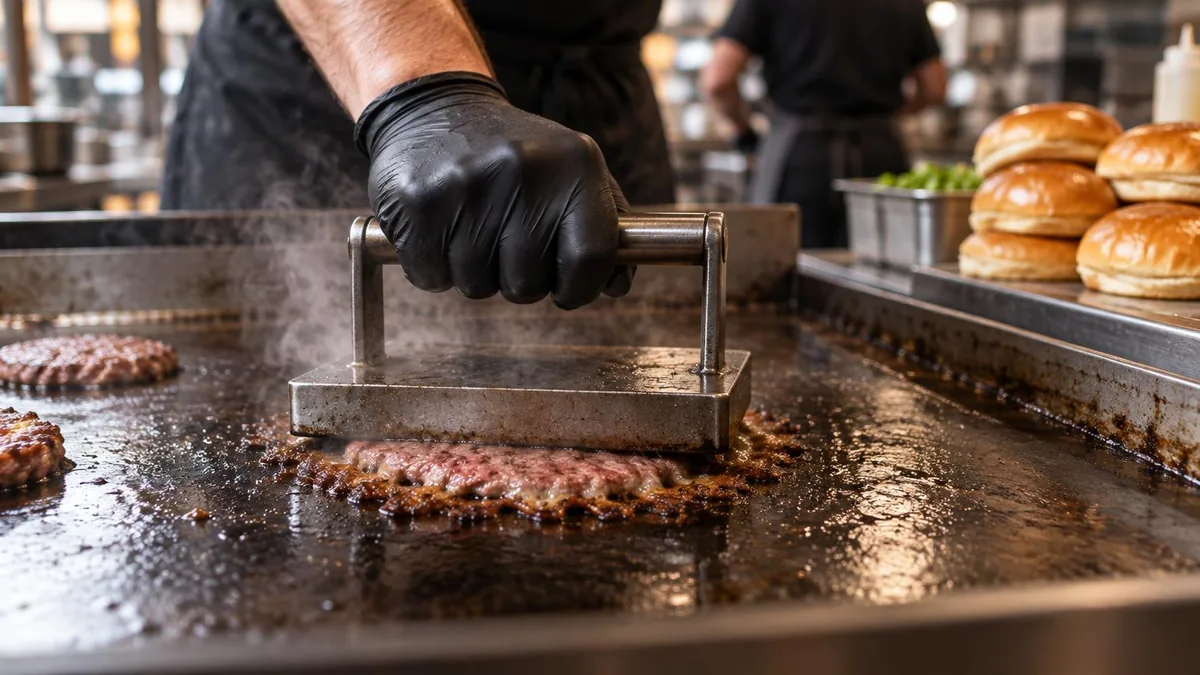
| Smash burger, single or double | Compresses together with the thin patty, doesn't mask the flavour of the crust | Quick toasting, assemble immediately |
| Classic cheeseburger | Neutral flavour, softness that complements melted cheese and simple sauces | Don't overdo tomato and liquid sauces |
| Fried chicken | The soft crumb contrasts with the crunchy coating | Make sure the fried item is well drained before assembling |
| Pulled pork and shredded meats | Absorbs some of the cooking juices without falling apart straight away | Drain the meat, always toast the bun |
Where it works less well:
- very tall, heavily loaded burgers, with multiple layers and heavy ingredients: a more structured bun holds the weight and height better;
- very wet fillings served after a long wait, for example at a buffet: the softness becomes a drawback;
- menus built around a bun with a bold flavour: the potato bun is naturally understated and lets the filling take centre stage.
For a comparison with other bun types, from classic to sesame-topped to coloured buns, the starting point is the guide to burger bun types. Anyone building a smash burger menu will find specific criteria in buns for smash burgers.
Formats and bun weights
The potato bun is available in several diameters and weights, like other buns. As a general guide, the most common formats for a single burger tend to fall between 9 and 11 centimetres in diameter; smaller versions exist for mini burgers and sliders, and wider versions for doubles. The weight of each piece varies with the recipe and the producer: check the technical data sheet and weigh it against the patty weight, because a bun that's too large will overwhelm a thin patty, while one that's too small won't hold it.
Questions to ask the supplier before deciding:
- diameter, height and weight of the piece, with tolerances;
- whether it is pre-sliced or whole;
- units per pack and per case;
- list of ingredients and allergens.
The method for choosing the right format and estimating weekly requirements is the same as for other buns and is described in burger bun formats and weights.
Storage and handling
Many potato buns arrive at the venue frozen or blast-chilled; others arrive fresh and pre-packed, with a shelf life stated by the producer. Either way, the basic rules apply:
- follow the storage and defrosting instructions given on the label and in the technical data sheet;
- defrost in the unopened pack, so the bun doesn't dry out on the surface;
- bring only the quantity needed for the shift into the line, and keep opened packs tightly resealed;
- never refreeze a defrosted bun.
A soft, moist bun is particularly vulnerable to air exposure: left uncovered, it quickly develops a "skin" and loses elasticity. The differences between frozen and blast-chilled, shelf life and how to state this on the menu are covered in the guide on frozen or blast-chilled burger buns.
Allergens
The potato bun contains gluten (wheat flour). Depending on the recipe it may also contain milk and eggs, and in sesame-topped versions, sesame; potato itself is not among the allergens listed under Regulation (EU) 1169/2011. The allergens to communicate to customers are those declared by the producer for the specific product actually used: they must be recorded in the venue's allergen register and updated whenever the supplier or recipe changes.
Frequently asked questions
Does a potato bun taste of potato?
No. The potato affects texture more than flavour: the crumb comes out soft and slightly sweet, but the overall taste stays neutral, leaving room for the patty, cheese and sauces to come through.
Can a potato bun be used for burgers other than smash burgers?
Yes. It works well with the classic cheeseburger, fried chicken and shredded meats. It's less suited to very tall, heavily loaded burgers, which need a more structured bun.
Is it better sesame-topped or seedless?
It depends on the style of the menu. The seedless version has a cleaner look; the sesame-topped one evokes the traditional burger bun and adds sesame to the allergens that must be declared. It's best to pick one finish and keep it consistent across the whole menu.
How do you toast a potato bun?
On the cut side, on a hot griddle, dry or with a little butter, for just a few seconds: it colours quickly. The right timing depends on the equipment and should be tested and written into the prep sheet.
Is the potato bun available frozen?
Often yes, as well as fresh and pre-packed. Storage, defrosting and shelf life after defrosting all follow the instructions given by the producer on the label and in the technical data sheet.