Gourmet street food: what it means for choosing burger buns
Urban street food is going upmarket: how to choose the right burger bun for a premium menu.
Street food goes upmarket: why it matters if you sell burgers
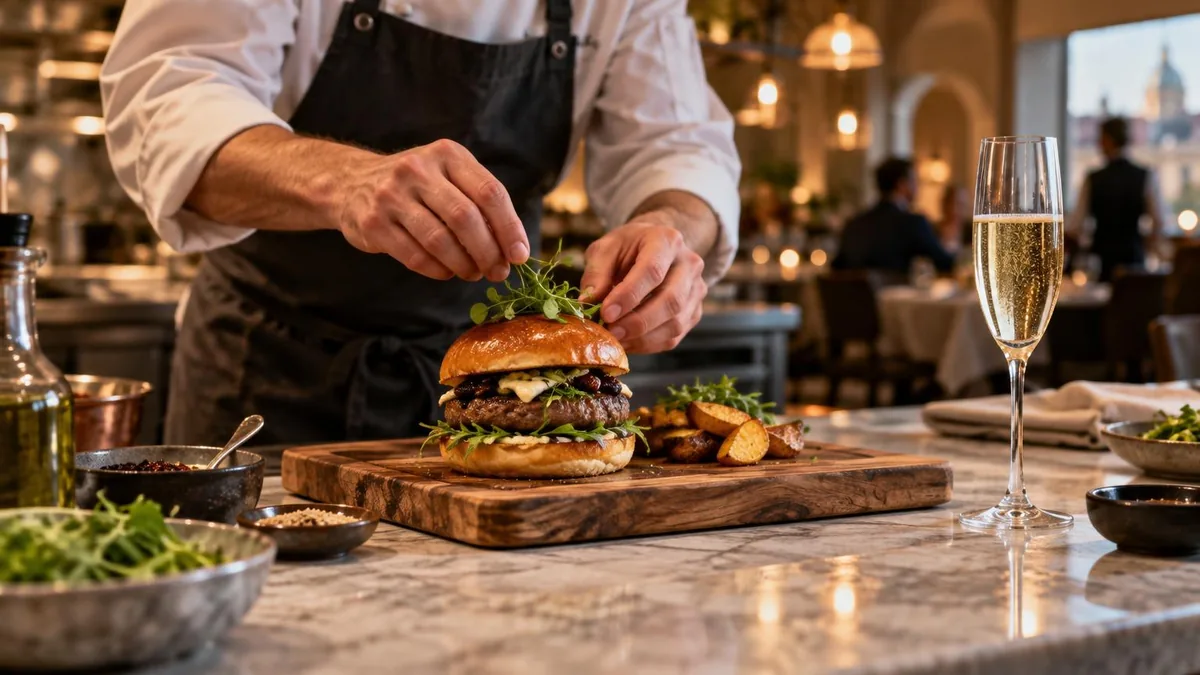
A masterclass led by Pierluca Ardito, scheduled for 29 September as part of Foodart Experience, puts urban street food and its move into fine dining firmly on the agenda. Across the three recipes presented and the four trends highlighted in the Future Menus 2026 report, one theme stands out: street food is no longer just about simplicity, but about culinary craft. This is well captured in From burgers to ramen: how urban street food is entering fine dining, the article that inspired this piece.
For anyone running a foodservice outlet and serving burgers, this isn't just industry chatter: it's a market signal. If the sandwich, in all its forms, is being reinterpreted with fine-dining techniques and ingredients, the bun that holds it together needs to keep pace.
From quick bite to considered dish: what changes in customer expectations
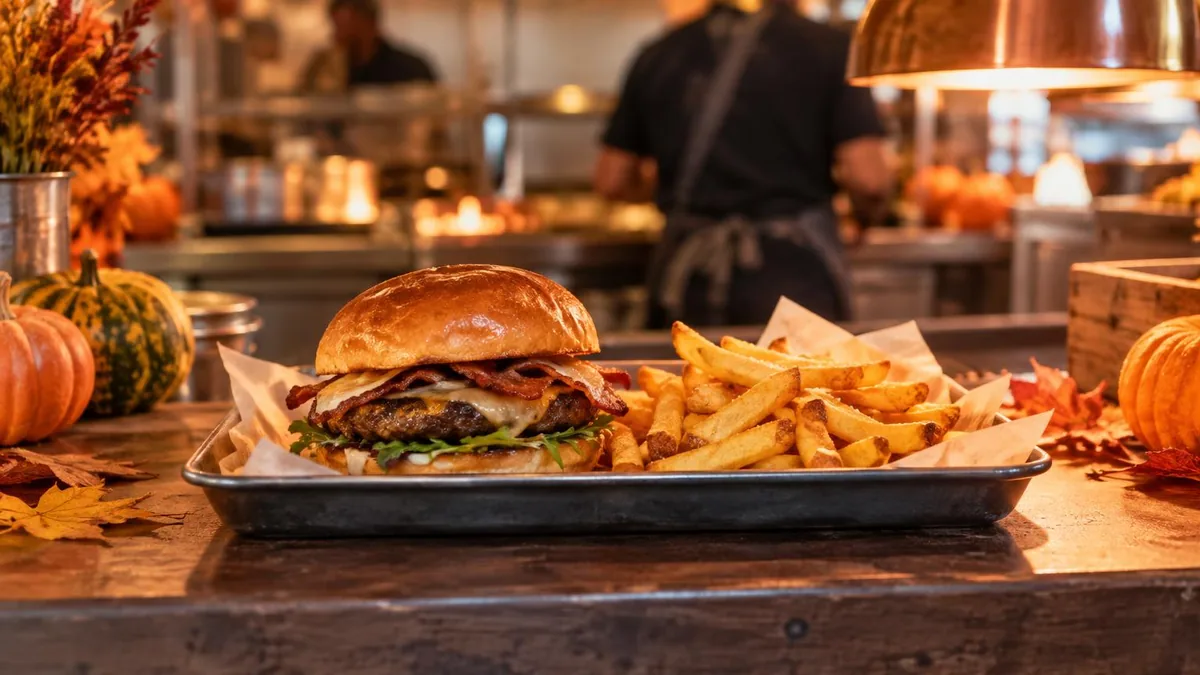
When a street dish enters a more refined context, the criteria used to judge it change. It's no longer enough for the bun simply to hold the filling: customers now expect an even crust, a crumb that doesn't fall apart, and a flavour profile that's consistent with the rest of the recipe.
In practical terms, this means choosing burger buns becomes a strategic decision, on a par with choosing the patty or the sauce. Any venue looking to attract customers drawn to these trends needs a product that is stable, consistent to reproduce and aligned with the menu's positioning.
To navigate the options available — classic, seed-topped, coloured, potato, gluten-free — it can help to start with the basics: our guide to bun types for restaurants explains the main differences and helps identify which format best suits a more elaborate offering.
The four trends and their impact on bun choice
Without going into the specific details of the report cited in the original article, it's worth considering some recurring themes when discussing the evolution of street food:
- Cross-cuisine influences: sandwiches that combine techniques and ingredients from different culinary traditions call for a bun that is neutral yet has character, able to work with unconventional fillings.
- Focus on texture: a crispier crust or a denser crumb can make all the difference when the dish is presented as part of a tasting menu.
- Visual customisation: coloured or seed-topped buns become tools for brand recognition, not just aesthetic touches.
- Consistency with the overall experience: if the dish is conceived as a piece of culinary storytelling, the bun needs to tell its own part of the story, without feeling out of place alongside the rest of the offer.
These considerations don't apply only to large chains or Michelin-starred restaurants experimenting with street food: they're equally relevant for the neighbourhood venue looking to raise its offering slightly without overhauling its entire service model.
Artisan or industrial: the question resurfaces
As attention to detail increases, the question of which type of supply to choose inevitably comes back into focus. There's no single right answer: it depends on volumes, budget and the level of customisation required. We've explored this in more detail in artisan or industrial burger buns: how restaurants should choose, a useful comparison for this stage of menu rethinking.
If the goal is to offer a burger that comes closer to the look and care typical of fine dining, it's also worth considering more technical formats, such as those designed for smash burgers, which require a bun capable of absorbing cooking juices without losing structure. For more on this specific point, see buns for smash burgers: how to choose the right one.
An opportunity to refine the menu, not overhaul it
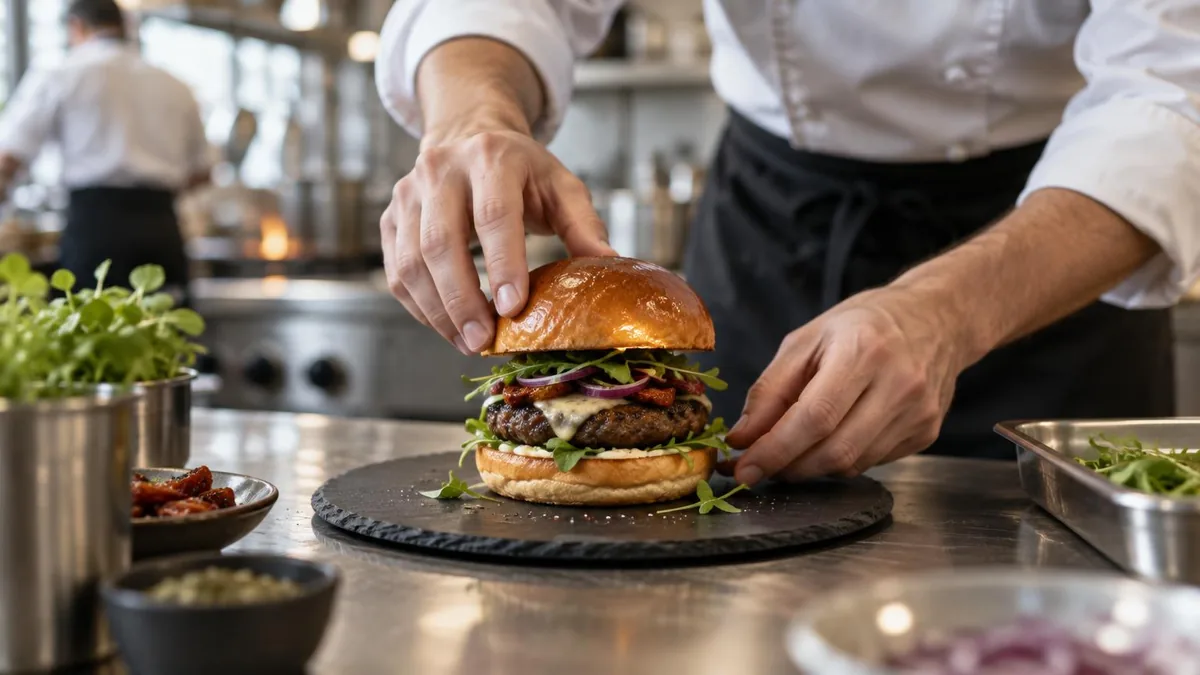
The move of urban street food into fine dining doesn't necessarily call for major investment. For many venues, it can translate into small adjustments: a more refined bun variant for a signature dish, a different crust for the flagship burger, or greater attention to presentation.
What matters is that the choice of bun stays consistent with the venue's overall positioning and with the kitchen's operational capacity. Any change of supplier or format should always be trialled before being permanently added to the menu, assessing structural performance, ease of handling during service and customer feedback.
Frequently asked questions
Do I need to change bun supplier to follow these trends?
Not necessarily. In many cases, it's enough to review the format or bun variant already available from your current supplier, testing how it adapts to new recipes before changing your entire supply.
Does a more refined bun justify a higher menu price?
This is a commercial judgement that depends on the venue's positioning. A more refined bun can be part of a premium offering, but pricing decisions should be based on the dish's overall cost and the target customer base.
How can I tell if a new bun type holds up in daily service?
It's worth trialling it over a limited period, monitoring how well it holds the filling, its behaviour during cooking or toasting, and customer feedback, before making it a permanent menu item.
Source: Dal panino al ramen: così lo Street Food Urbano entra nella cucina d’autore