Smash burger buns: a 100-year-old trend and what it means for the bun
Smash burgers aren't a TikTok invention: they began in American diners. Here's what to know about the right bun to serve them well.
A trend with deep roots
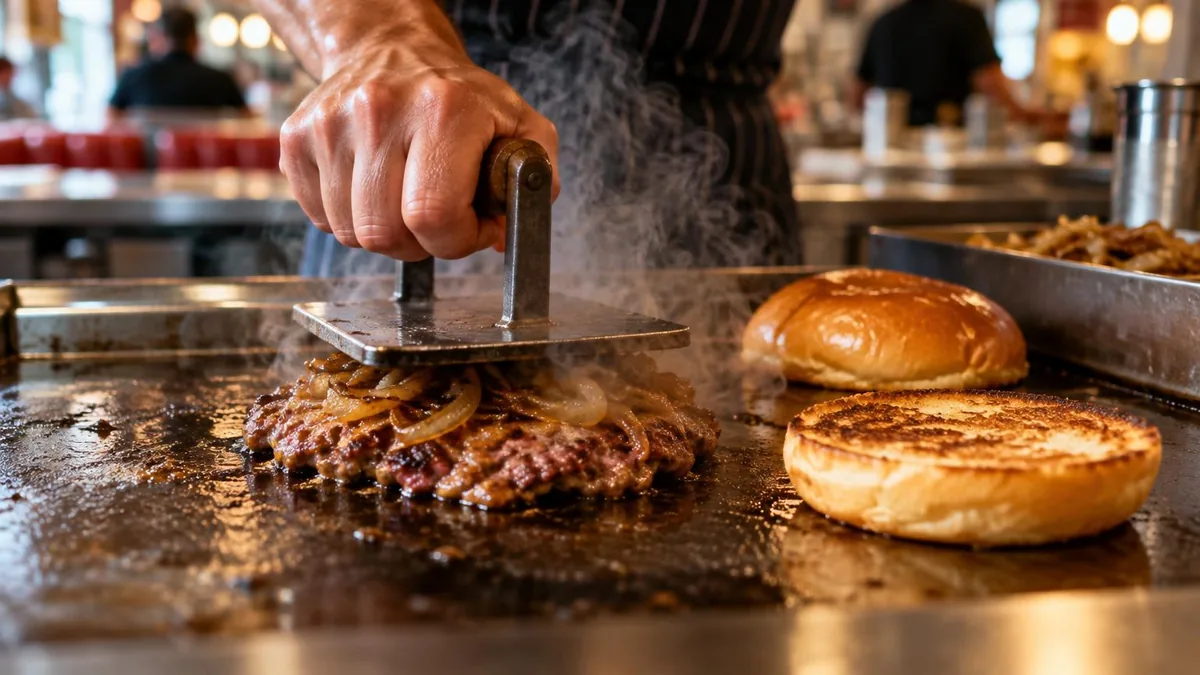
In recent years the smash burger has become one of the most in-demand formats among burger restaurants and street food venues, helped along by its popularity on social media. But as a recent feature in Gambero Rosso explains, today's trendy smash burger already existed 100 years ago: the technique of pressing the meat onto the griddle comes from American diners of the early 1900s, designed to feed workers quickly with a simple, inexpensive sandwich. Historic venues such as the White Mana diner in Jersey City and the Oklahoma onion tradition tell a very different origin story from the gourmet image the smash burger has today.
For anyone running a venue, this history is more than an anecdote to quote on the menu: it helps explain why the smash burger still works, and what it really takes to make it well in the kitchen.
Why the smash technique changes the rules for the bun
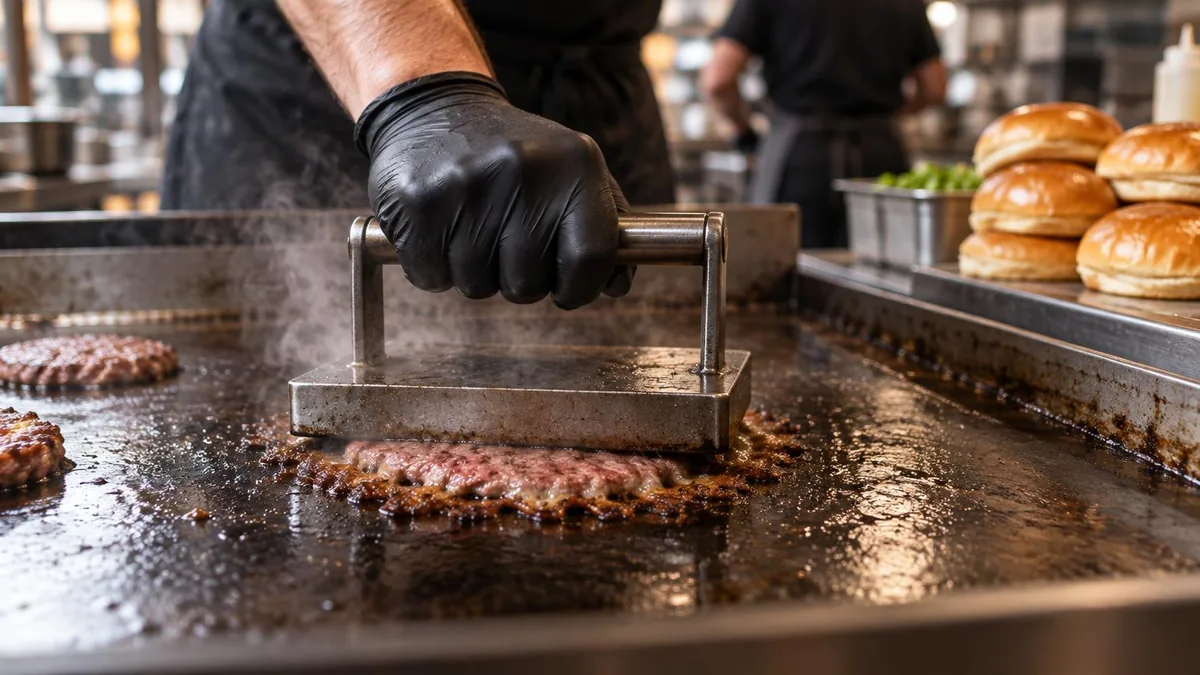
The smash burger is built on a simple principle: pressing the meat onto a very hot griddle to create a crisp crust and a rapid release of juices. That means very short cooking times, high temperatures and a bun that has to hold up a thin but very flavourful patty, often paired with melted cheese and caramelised onions.
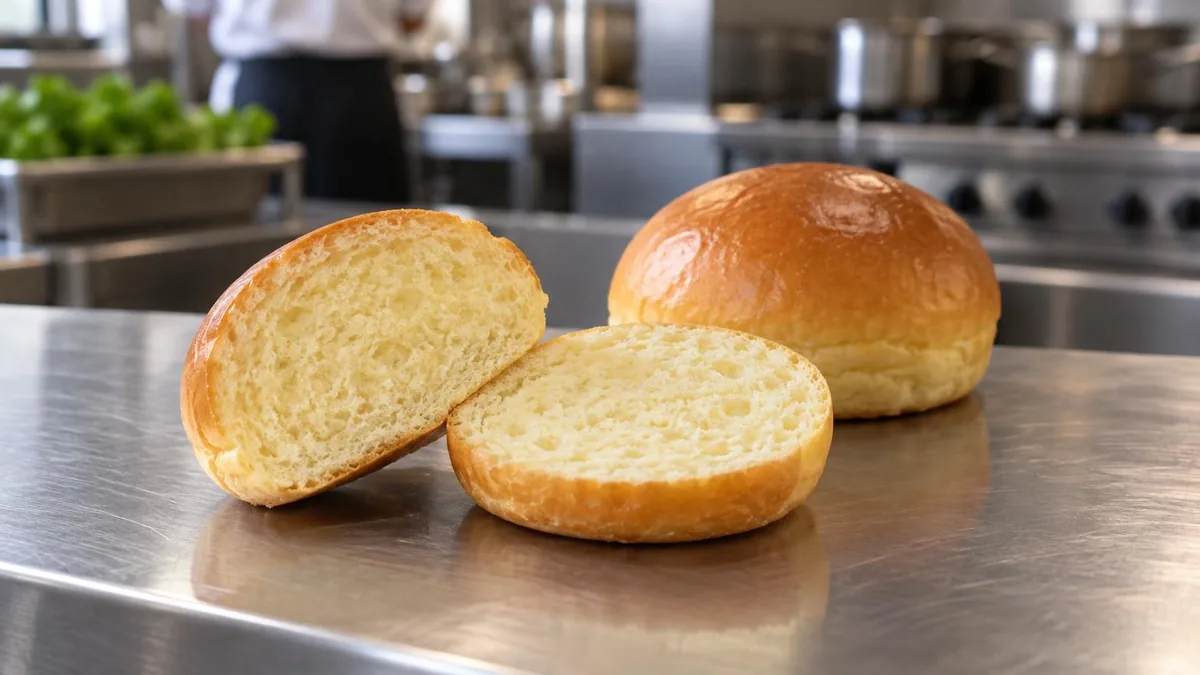
In this context the bread is not a neutral element. It has to toast quickly on contact with the griddle, with a crumb compact enough not to fall apart under the cooking juices, yet still soft to the bite. A bun that is too tall or too fluffy risks upsetting the balance between bread and meat that made this format famous from its working-class origins.
If you want to go deeper on the technical choice, read our dedicated guide to the bun per smash burger, which covers the diameter, height and type of crumb best suited to this preparation.
From the diner to your menu: what you really need
Going back to the origins of the smash burger is also useful if you need to position the product on your menu. The appeal of this sandwich lies in its simplicity: few ingredients, fast execution, direct flavour. For high-volume operators - think kiosks, street food and fast-turnover venues - the choice of bun has a direct impact on service times and on how well the product holds up on the way to the table or takeaway.
It is also worth revisiting the basics of choosing between artisan and industrial bread for your format: our analysis of pane artigianale o industriale per il ristorante helps you work out which criteria matter most depending on your volumes and how your venue is positioned.
Bun size also deserves attention: a well-made smash burger needs a bun in proportion to the patty, neither too bulky nor too small. Our guide to formati e grammature del pane da hamburger offers practical advice on choosing the right size and bun weight for the type of sandwich you want to offer.
A trend that remains a classic
The story told by Gambero Rosso confirms something that anyone working in restaurants knows well: trends often rediscover old formats and simplify them for a contemporary audience. The smash burger is no exception. Its strength is the same as it was a hundred years ago: speed of execution, concentrated flavour, an accessible price.
For a venue that wants to put it on the menu for the long term, following the trend is not enough: you need a bun that suits the technique, a reliable supplier and careful management of quantities, especially if the product is also offered in a mini version or in street food formats, as is already happening at several international chains that have bet on this trend.
If you want a broader picture of the different types of bread on the market, beyond the classic bun used for the smash burger, see our guida ai tipi di bun per la ristorazione, useful for comparing characteristics and uses according to the type of sandwich you want to offer.
Frequently asked questions
What is the difference between a classic burger and a smash burger when it comes to the bun?
A smash burger needs a bun that toasts quickly on contact with the griddle and holds up well against the cooking juices without losing structure, whereas a classic burger with a thicker patty can use taller, softer buns without the same time constraints.
Can you use the same bun for smash burgers and traditional burgers?
In many cases yes, especially with classic buns or seeded buns of medium diameter, but for high volumes and fast service times it is worth considering a more compact size designed specifically for the smash technique.
Why has the smash burger come back into fashion right now?
The combination of quick preparation, low costs and strong visual appeal on social media has brought back into the spotlight a technique that was already common in American diners in the early 1900s, now reinterpreted by many contemporary burger restaurants.