Smalls Sliders Opens Second Location in New Boston, Ohio: The Container Format Takes Off in the US
In the US, mini cheeseburger chain Smalls Sliders is expanding via an orange shipping container – a format worth watching for street food and QSR.
What's happening
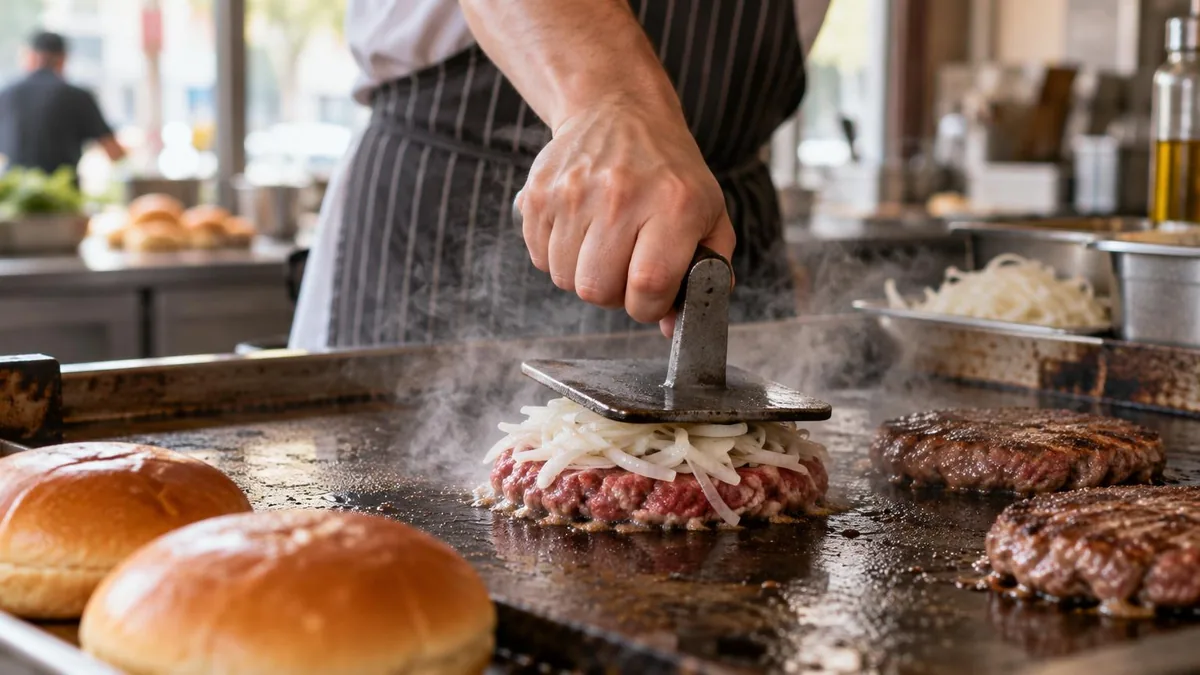
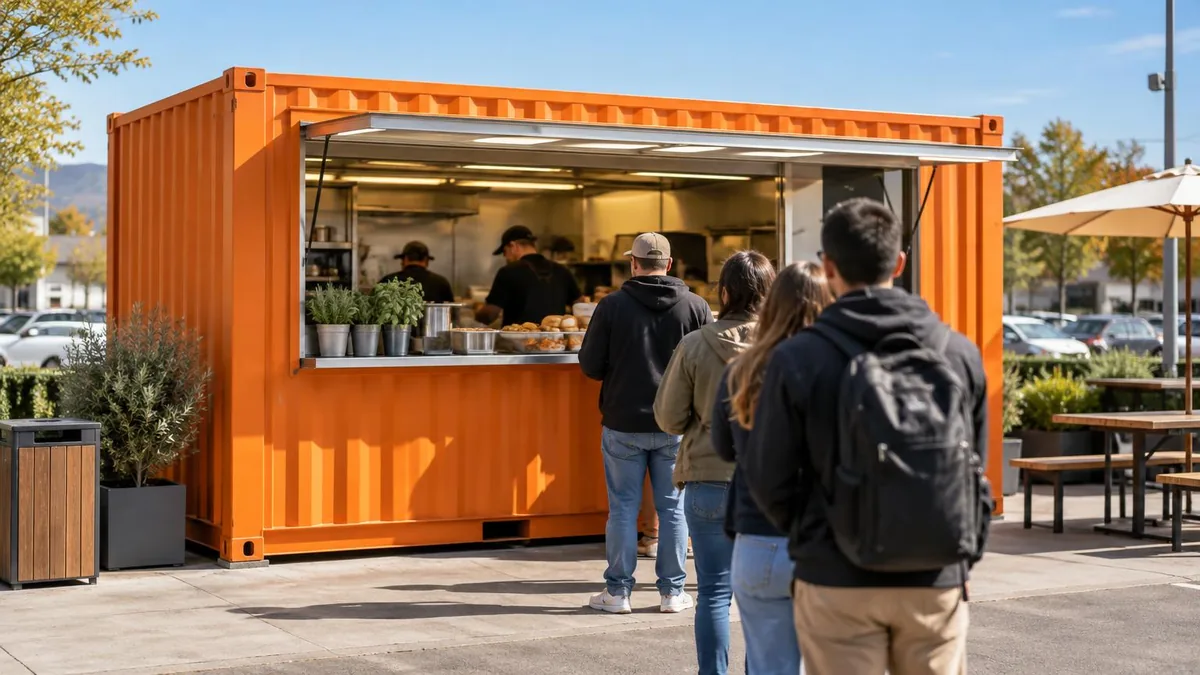
According to QSR Magazine, the Smalls Sliders chain has announced the opening of a second location in Ohio, in the town of New Boston. The outlet isn't a traditional restaurant but a converted shipping container, painted in the brand's distinctive colour, with a footprint of roughly 750 square feet (just under 70 sqm). The menu is minimal: cheeseburger sliders, spiced waffle fries and milkshakes. The source reports that the brand has already signed multi-unit agreements for further openings, a sign of an aggressive expansion plan built around this compact format.
The underlying idea is simple: a tight product range, fast execution, a small footprint. The container becomes kitchen, counter and customer touchpoint in a single transportable unit.
Why it works there
In the United States, the container-to-restaurant model has spread because it drastically cuts the time and cost of opening compared with building a unit from scratch. A prefabricated container arrives already wired and plumbed, and just needs to be positioned, connected and permitted: weeks rather than months.
This format pairs well with a product like the slider, the mini cheeseburger that needs less prep space than a standard burger and lends itself to fast service, often takeaway-only or drive-thru. Combining a container with an ultra-focused menu makes it possible to open in out-of-town sites, retail car parks or high-transit areas where a traditional restaurant wouldn't be viable.
There's a marketing angle too: the bright colour and unusual shape of the container act as signage in their own right, building recognisability without the need for an imposing building.
Where this trend stands in Europe
At present, there is no clear evidence of burger or slider chains in Europe using shipping containers as the main format for large-scale rollout. Containers are more commonly seen in temporary settings – events, trade fairs, seasonal pop-ups – than as a stable, replicable solution for multi-unit brands. We don't have data on structured trials of this kind in European markets, so the observation has to remain cautious: this looks like a trend worth monitoring rather than one that has already taken hold.
The mini burger itself is already a familiar presence on European menus, particularly as a sharing or aperitivo-style offer, but it's rarely the sole focus of a dedicated format in the way Smalls Sliders has built its concept.
How operators could bring this format to local markets
Anyone looking to test a similar idea needs to start from two practical constraints: permits for placing a prefabricated structure on public or private land, and the need for a high-footfall location – pedestrian or vehicle traffic – to make such a minimal menu commercially sustainable.
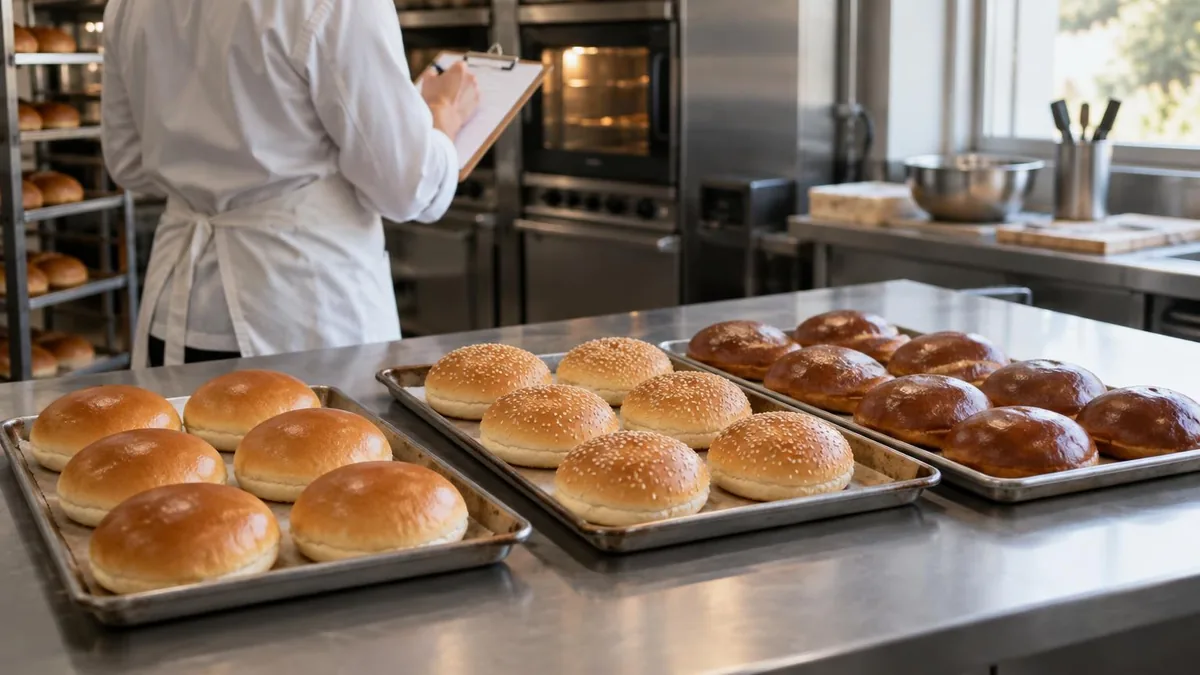
On the product side, sliders call for a specific bun: a plain, seedless mini potato bun, soft yet sturdy enough to hold melted cheese and toppings without losing structure, is the most consistent choice for this format. Alternatively, for a more neutral texture, a plain, seedless mini classic bun remains a solid option. It's worth looking into the difference between potato bun and other bun types before finalising the menu.
On costs, a container requires upfront investment concentrated on the structure, fit-out and utility connections, but it compresses opening timelines considerably. The main risks remain managing the occupancy permit, seasonal swings in footfall if the location isn't served year-round, and how well the bun holds up during fast service: operators also working in delivery or heavy takeaway should check the guidance on burger buns for delivery to stop the mini bun going soggy before it reaches the customer. The choice between artisan and industrial bread should also be weighed against expected volumes, as explained in the guide on artisan vs industrial burger buns.
Frequently asked questions
Is a container format suitable for a small independent operator?
It can work for operators with access to a high-footfall site who are able to manage local permitting, but it requires careful research into building and commercial regulations, which vary significantly between jurisdictions.
What type of bun is needed for sliders?
A mini bun, ideally potato or classic, plain and seedless, chosen for its softness and ability to hold melted filling; the bun weight should be calibrated to the smaller burger format.
Does the container model really cut costs compared with a traditional restaurant?
Generally yes in terms of timelines and initial construction investment, but utility connection costs, permits and the need for a high-traffic location to support such a minimal menu all need to be factored in.
Sources
- Smalls Sliders to Open in New Boston, Ohio — QSR Magazine