Subway Blueprint: the new digital restaurant format aiming to double its EMEA footprint
Subway rolls out its Blueprint concept across EMEA: digital-first restaurants and a refreshed menu. What foodservice operators can learn from it.
What's happening
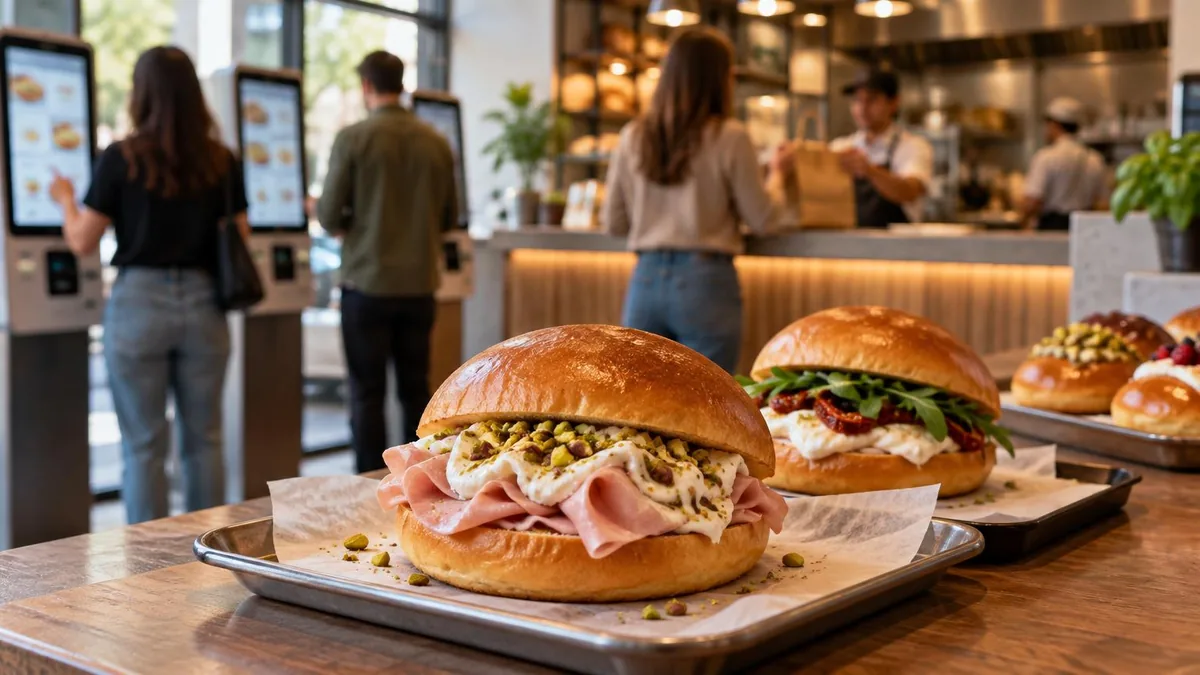
According to QSR Magazine, Subway has unveiled a new restaurant prototype, called Blueprint, designed for the Europe, Middle East and Africa (EMEA) region. The concept focuses on digitally connected restaurants, expanded ordering channels and a revised menu, with the stated goal of nearly doubling the brand's presence in the region over the next five years.
The prototype isn't just about the look of the restaurant: the source describes a rethink of how customers interact with the brand, from ordering through to collection, with digital tools built into every step of the journey.
Why it works there
The EMEA region is a diverse market, but it shares some dynamics that make a digital-first format particularly appealing to large chains: high property costs in major cities, difficulty finding skilled staff, and a customer base increasingly used to ordering via app, self-service kiosk or QR code even outside delivery.
A standardised format that can be replicated at scale lets a chain open new sites more quickly, with more predictable upfront investment than venues designed on a case-by-case basis. The digital component also helps manage order peaks without a proportional increase in front-of-house staff — an issue that weighs heavily on margins in many European markets.
Where this trend stands in Europe
The source doesn't provide country-by-country figures for Europe, and at the time of writing there are no official announcements of Blueprint openings in specific European markets: it is therefore too early to say how, or how quickly, the format will roll out across the continent. More broadly, the underlying trend is visible across European foodservice: self-service kiosks, proprietary apps and table-side QR codes are increasingly common, particularly among fast food chains and some burger and street food brands in larger cities, while adoption among independent restaurant operators remains more selective and is often limited to delivery channels.
How to apply it in your business
For a restaurant operator running a burger bar, sandwich bar or hot dog venue, the most interesting takeaway from the Subway case isn't the brand itself, but the underlying principle: digitise the friction points in the customer journey without overhauling the product.
Some concrete, low-risk steps:
- introduce a digital menu on screen or via QR code, updatable in real time, which is also useful for clearly flagging gluten-free options or available bun variants;
- test a pre-order channel for collection, kept separate from the dine-in flow, to better manage lunchtime peaks;
- consider an app or digital loyalty scheme, starting with a contained, scalable investment.
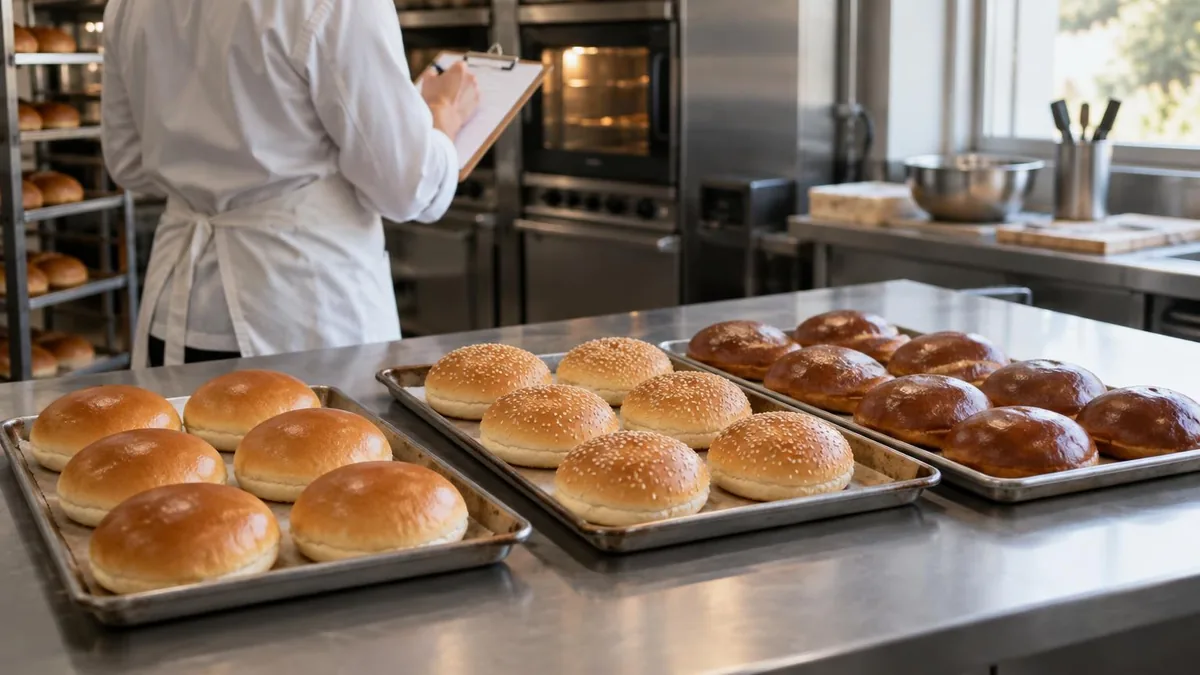
On the product side, a leaner, more digital format works best with a standardised, recognisable bread offer: a classic bun, plain, seedless, remains the most versatile base for the bulk of the menu, while a potato bun, plain, sesame-topped, can become the premium option flagged specifically through the new digital channels. For operators also serving hot dogs, a classic hot dog bun, plain, seedless, lends itself well to quick ordering via kiosk or app without requiring extra explanation at the counter.
There are three main risks: a technology investment that, if poorly sized, doesn't pay for itself within the expected timeframe; the need to train staff on new tools, with a non-negligible adaptation cost; and the risk of complicating the customer experience if digital is simply layered on top of traditional service rather than clearly replacing it. Before investing in hardware and software, it's worth reviewing the criteria for selecting bread and packaging suppliers, to make sure the supply chain can keep up with the new pace of service: our in-depth guide on how to choose a bread supplier for your sandwich bar can help with this.
Anyone looking to better understand the bun options best suited to a fast, digital menu can start with our guide to burger bun types for foodservice, while those aiming for a more considered positioning may find it useful to look at how other international formats combine technology and experience, as described in the case of Heard and its flagship venue with a speakeasy floor.
Frequently asked questions
Will Subway's Blueprint format arrive in specific European markets?
At the time of writing there are no official announcements on this: the source discusses expansion across the EMEA region as a whole, without specifying timelines or individual markets.
Should a small venue invest in digital ordering right away?
It depends on customer volume and available budget: it's often safer to start with a limited pilot project (for example, order collection only) before extending digital tools across the full customer experience.
Does introducing digital ordering change how bread should be chosen?
The product itself doesn't change, but it helps to have a clear, well-described bread offer on the menu, so that variants (classic, seeded, gluten-free) are easy to select on screen or via app too.
Sources
Source: Subway Unveils New Prototype as It Targets Massive International Growth