Fatburger and Buffalo's Express open co-branded unit in Texas
A new Texas outlet brings burgers and chicken wings together under one roof: what it means for foodservice operators in Europe.
What's happening
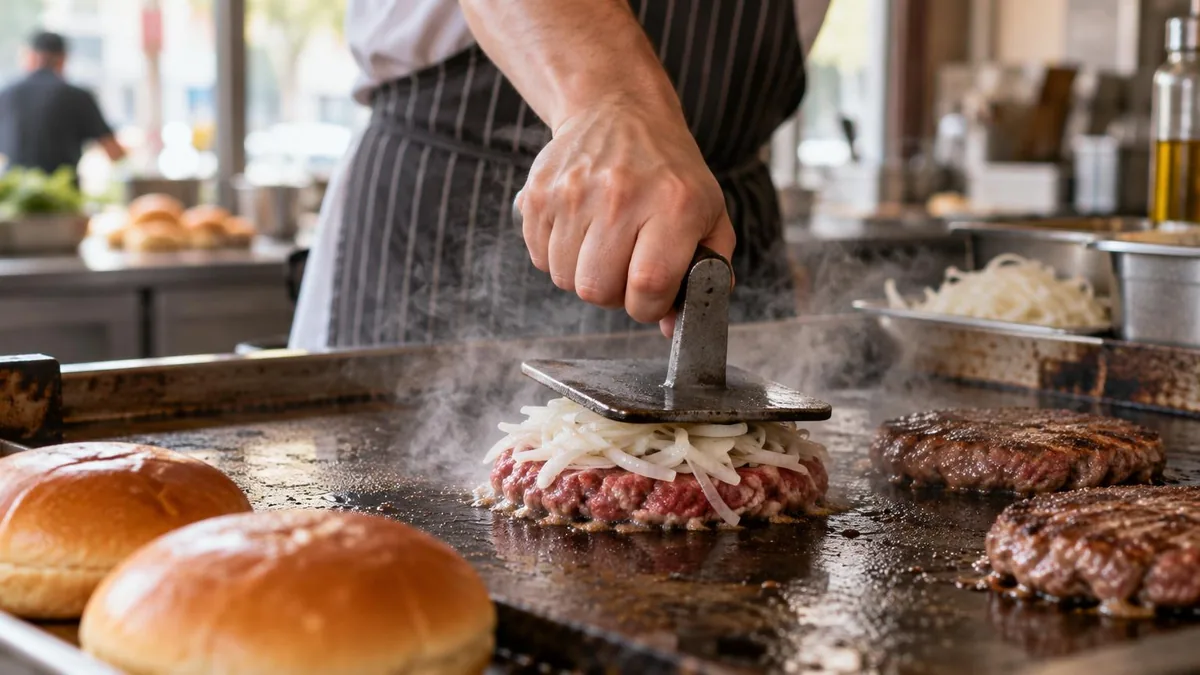
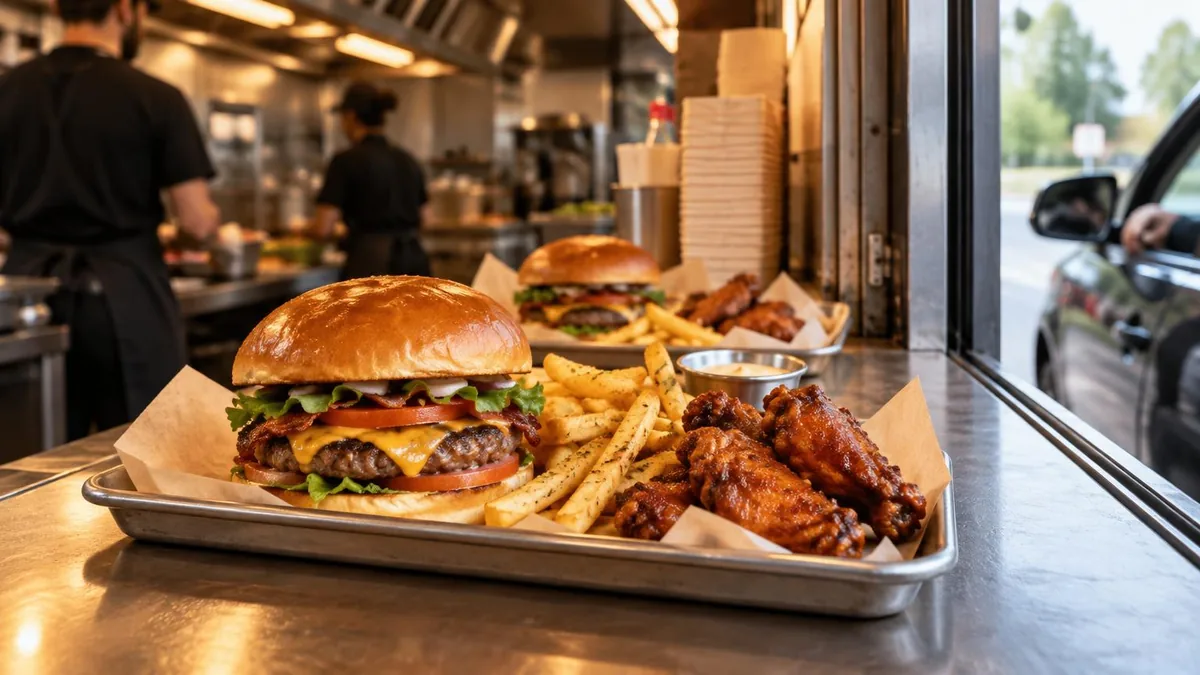
A new outlet has just opened in Texas that brings two distinct brands together under one roof: on one side, hand-pressed burgers; on the other, fried chicken wings. According to QSR Magazine, the new location in Eagle Pass offers a combined menu ranging from burgers and fries to freshly made milkshakes, as well as chicken wings, all served through a drive-thru designed for passing trade.
This isn't an isolated move: co-branding — two banners or two kitchen concepts sharing the same physical space — is a practice increasingly seen across the United States, especially along major roads and in border towns where vehicle traffic is high and dwell time is short.
Why it works there
The American quick-service market has a structural feature that favours these experiments: large commercial footprints, spacious car parks, drive-thru as a primary sales channel, and a customer base used to choosing between multiple protein options within the same meal. Bringing burgers and chicken wings together under one roof means sharing the kitchen, front-of-house staff and, in some cases, even the drive-thru structure itself, cutting fixed costs compared with running two separate outlets.
There's also a consumption factor at play: in the US, the "combo" between two different food categories — here, burgers and chicken wings — fits a group dining habit, where each person at the table can pick their preferred protein without the group having to choose between two separate restaurants. For chains, this can translate into a potentially higher average spend per visit and a broader customer base served from a single location.
Where this trend stands in Europe
At present, there are no known examples of structured co-branding between burger chains and fried chicken chains in Europe that are comparable to the American model described above. The closest thing observed in various European markets is independent outlets that list both burgers and chicken wings or tenders as alternative menu items, but without the logic of two separate brands sharing the same space under distinct fascias and identities.
Public data on how widespread this format might become in European markets is lacking, and it isn't possible to estimate how receptive customers would be to such a structured offer. This remains an area worth watching rather than an established trend, not least because the drive-thru concept itself is generally less central in much of Europe than in the United States, given different urban layouts and consumption habits.
How to approach it for a European operator
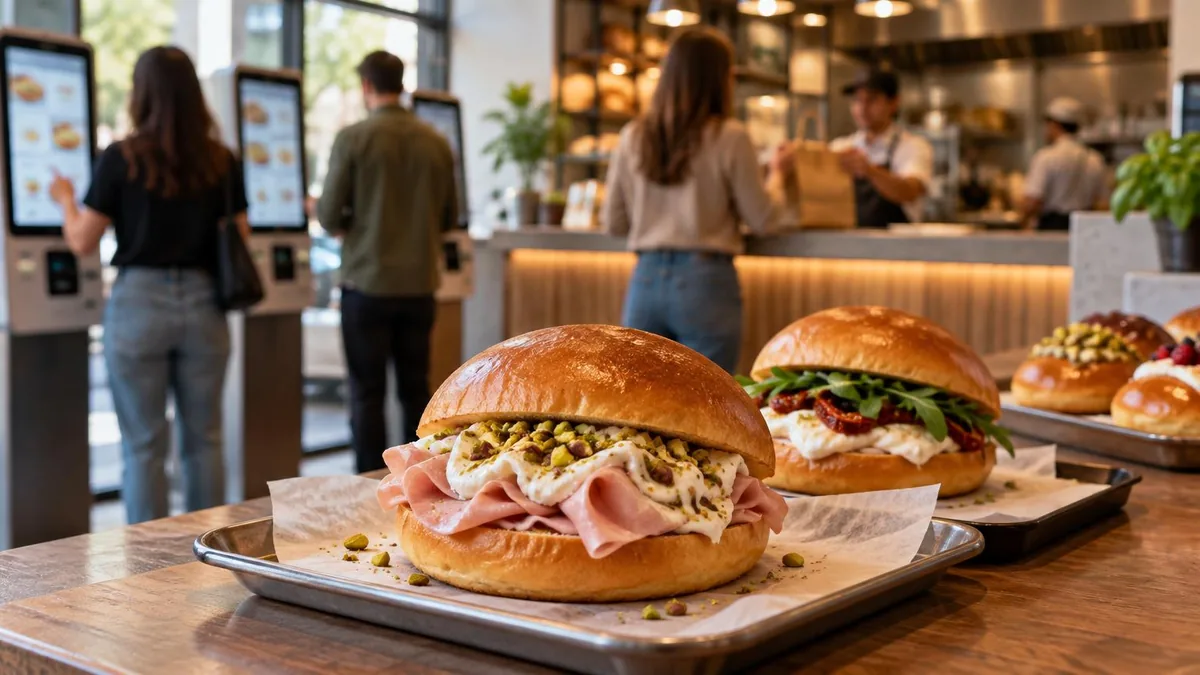
For an operator interested in experimenting, the most realistic route isn't necessarily co-branding between two separate fascias, but rather expanding a single venue's menu with two clearly distinct product categories, run through separate kitchen processes to avoid flavour cross-contamination and to keep service times manageable.
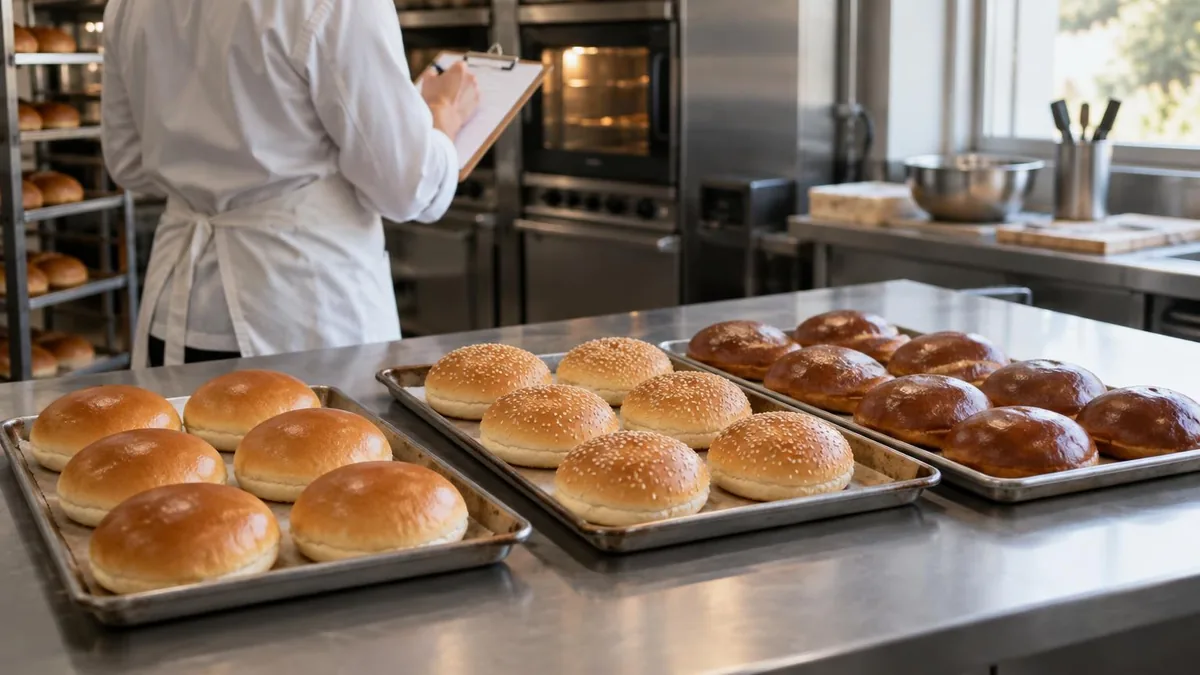
On the bread side, the choice remains crucial regardless of the format: for the burger, a plain classic bun, seedless, or a plain potato bun, sesame-topped, is a solid option, since it holds up well to generous fillings and the spicy sauces typically paired with chicken wings. For operators also working on fried chicken sandwiches, the same type of bun can be used, keeping visual and logistical consistency in the kitchen. On this topic, you can read more about matching bread to preparation in our article on smash burger buns and in the guide to types of burger buns.
The main risks of this kind of menu expansion relate to kitchen management: adding a fryer line for chicken wings requires dedicated equipment, staff training and careful control of waiting times, which in a venue already geared towards burgers can stretch out if workflows aren't properly separated. From a cost perspective, before investing in new equipment it's worth carefully weighing the expected return against the added operational complexity — a topic also covered in our article on how to choose a bun supplier for a sandwich bar, useful for anyone needing to reorganise their supply chain ahead of a broader menu.
Frequently asked questions
What exactly is co-branding in foodservice?
It's the coexistence of two brands or two distinct kitchen concepts within the same physical space, with separate menus but often shared service and kitchen facilities, designed to optimise fixed costs and broaden the offer to customers.
Do you need a drive-thru to replicate this format in Europe?
No, the drive-thru is a feature typical of the American market but not essential: in Europe the format can be adapted to counter or table service, while still keeping the logic of two clearly distinct product categories within the same venue.
What type of bun works well if chicken wings or fried chicken are added to a burger menu?
A plain classic bun or a plain potato bun with sesame seeds remain solid choices for fried chicken sandwiches too, as they hold up well to generous fillings and sauces while keeping consistency with the rest of the menu.
Sources
Source: Fatburger and Buffalo’s Express Open Co-Branded Unit in Eagle Pass, Texas