Best fast food autumn menus for 2026: seasonal flavours and burger trends
US fast food chains refresh menus for autumn 2026 with sweet twists on classics: ideas for foodservice operators and bun pairings.
What's happening
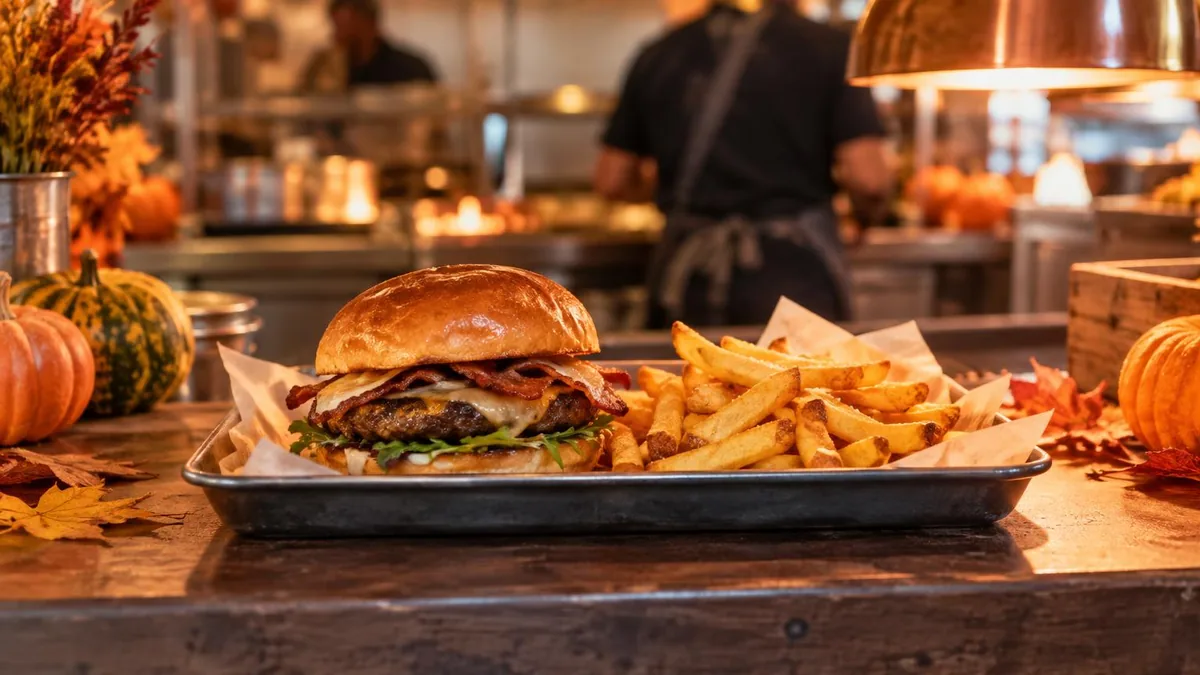
According to The Takeout, in September 2026 US fast food chains refreshed their menus with autumn-themed items: sweet reinterpretations of classic dishes and new flavour combinations designed to mark the seasonal shift. The outlet picked out the new items it considered most successful, noting that the common thread was the use of warm, spiced notes to make even well-known products feel new again.
This is typical of the US market, where menu calendars follow the seasons very closely, with frequent launches and marketing built around creating anticipation for "limited-time" items.
Why it works there
In the United States, the "limited time offer" concept is a core part of fast food marketing strategy. Every change of season becomes an opportunity to refresh the range, drive footfall in-store and fuel conversation on social media. Autumn, in particular, is culturally associated with specific flavours and ingredients that US consumers recognise and look forward to every year.
This mechanism works because it builds on an established consumer habit: customers know the menu will change and are willing to try something new precisely because it's temporary. Frequent rotation also lets chains test new combinations quickly without committing to a permanent change to the core range.
Where this trend stands in Europe
There is no structured data on how widely rapid-rotation seasonal menus have been adopted by burger and street food operators across Europe. Seasonality is certainly a familiar practice, but it tends to be linked more to the availability of local ingredients than to the calendar-driven marketing approach seen in the US.
Some gourmet burger venues and quality chains already offer autumn specials featuring ingredients such as pumpkin, mushrooms, chestnuts or aged cheeses, but communication around these initiatives generally remains less structured than the US model. In particular, the habit of building a genuine calendar of fixed, recurring launches is less established.
How to adapt it for your menu
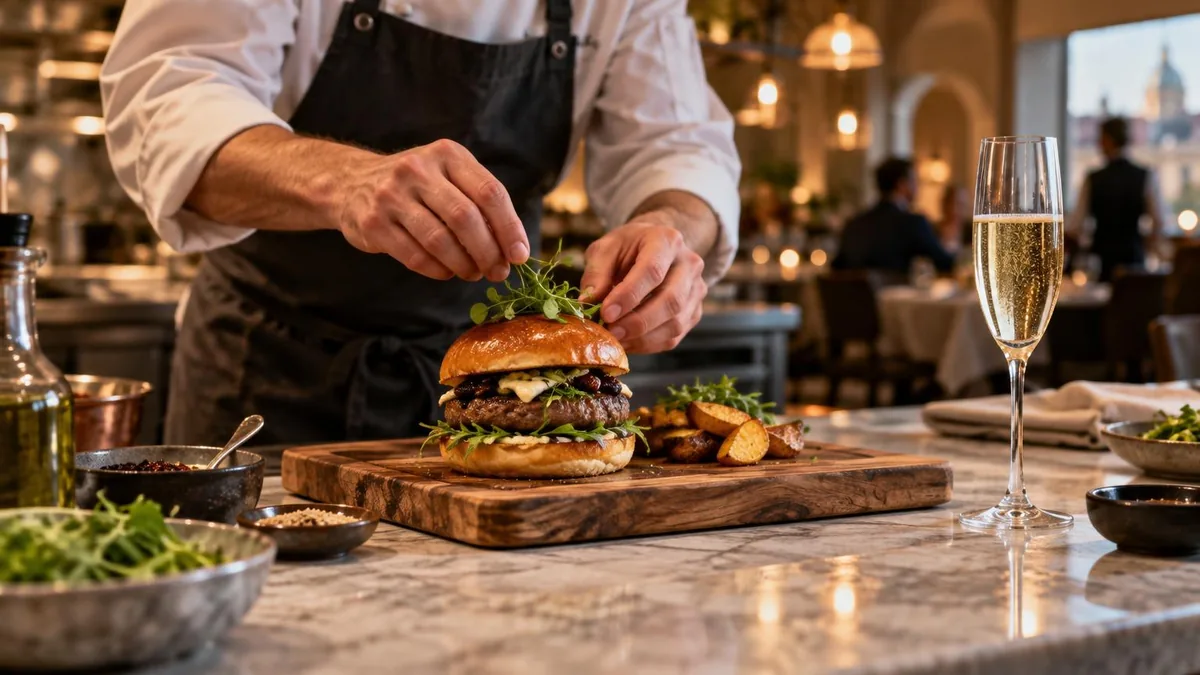
Foodservice operators can take inspiration from this trend without necessarily copying its aggressive commercial approach. The basic idea — reinterpreting a classic with seasonal flavours — translates well to other markets, provided the flavours and ingredients used remain recognisable to local customers.
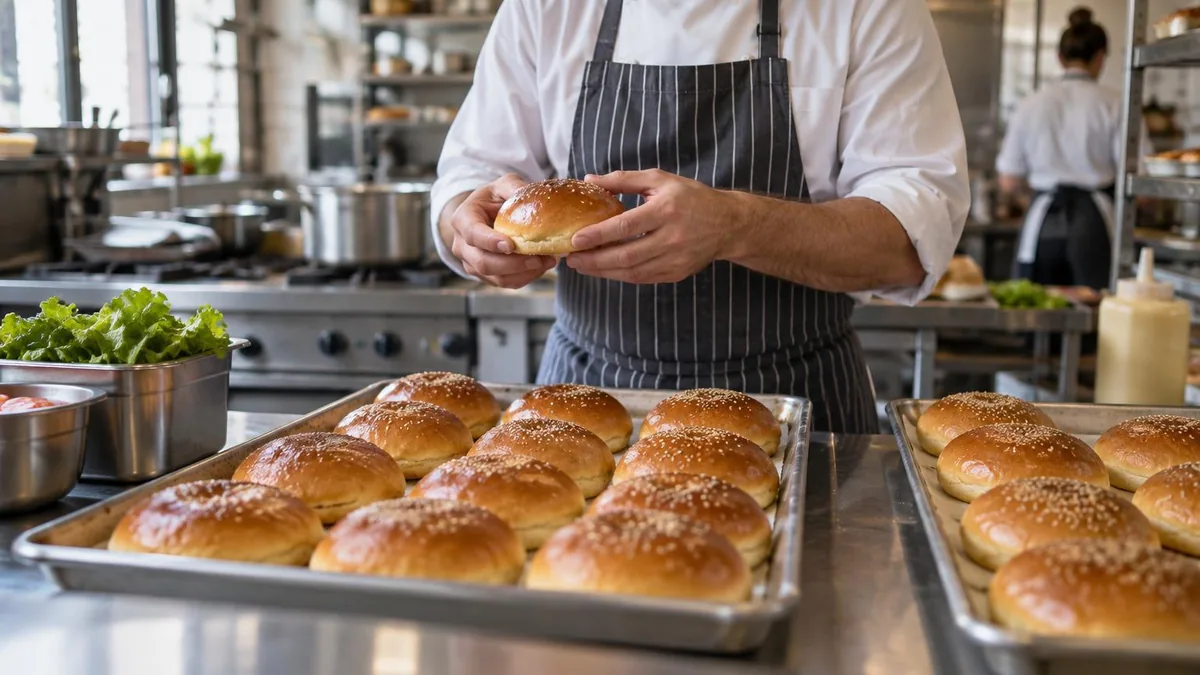
For an autumn burger with toppings such as pumpkin, mushrooms or hard cheeses, a plain, seedless classic bun remains the most versatile choice: it doesn't compete with the bold flavours of the filling and holds its structure even with wetter fillings. If a distinctive visual signal is wanted for the seasonal offer, a plain, sesame-topped bun can work as an eye-catcher on the counter or in the display case, provided the colour is never linked to improper claims about the product's content.
For operators also working on hot dog offers with autumn twists (for example with mushroom-based sauces or caramelised onions), a plain, seedless classic hot dog bun remains the safest base, so as not to interfere with already flavour-rich condiments.
Risks to weigh up include wasted product if the seasonal item doesn't land with customers, and the need to train staff on a temporary spec sheet. In terms of cost, a well-calibrated seasonal launch doesn't necessarily require major investment: often it's enough to revisit condiments and sauces while keeping the same bun already in use — provided the bun was chosen on solid criteria from the outset, as described in the guide to bun types for foodservice.
Operators considering multiple seasonal launches throughout the year should also think about the impact on margins, to avoid a new menu item becoming an unrecovered cost: a useful resource on this is the article on how to choose a bun supplier for your sandwich bar, which helps assess the flexibility and delivery times needed to manage rotating references.
Frequently asked questions
Is it worth copying US seasonal menus in a European venue?
Not literally: it's better to take inspiration from the concept of seasonal rotation and adapt it to flavours and ingredients that local customers recognise, rather than replicating combinations designed for a different market.
Do you need to change the bun for a seasonal menu?
Not always. Often it's enough to keep the same bun already in use and work on condiments and fillings; changing the bun only makes sense if the new item needs a different structure or a specific visual effect.
How long does a seasonal menu offer typically run?
There are no fixed rules: it depends on how well the venue can manage a temporary spec sheet and on customer feedback, but keeping it to a few weeks helps maintain the novelty effect without overloading the menu.
Sources
Source: The Hands-Down Best New Fast Food Menu Items Of September 2026